Showing posts with label go green. Show all posts

Cloth Diapering, Part 2: Choosing your cloth diaper

Wednesday, June 7, 2023


Hi Again! 


Today we’re going to be discussing types of cloth diapers- this is a great post for the parents who want to cloth diaper, but don’t really know where to start and which type of diaper they’re looking for. While we haven’t used every single type of diaper, we have tried quite a few brands at this point, and I have some pretty strong feelings about a few of them. Like so many aspects of parenting, this really isn’t a one size fits all choice- what works well for us may not be your cup of tea! 


Lastly, this list goes from least complex → most complex in terms of systems. In this case, least complex means most basic, so prefolds are technically the simplest system but require the most ‘effort’ on a caregiver to learn folding, proper pinning, etc. While more complex systems, once you can master them, at least theoretically, put the least effort on parents. I’ll do my best to describe all the options and will link a few of our favorite resources at the end. As always I love both questions and comments/outside opinions, so please let me know your thoughts below! 


Prefolds. These are exactly what they sound like- a rectangular cloth that must be folded and pinned onto your child, either with clothespins, or more commonly with a t-piece. The cloth will absorb the pee and poo, but these diapers do need a waterproof covering, with wool, fleece or synthetic materials. While the cloth itself gets washed with each use, the cover can typically go through a few changes unless it gets soiled. They are typically the most affordable of the diaper systems. 


We have never used these types of diapers personally. I don’t have a photo of them, but here is a link to what they look like. At the time that we were switching to cloth diapers with our first child, we were also brand new parents and feeling overwhelmed, so we opted for more user-friendly systems. That being said, I know two or three families who used and loved this style of diaper. 


Fitted diapers. These are similar to prefolds, in that it’s essentially just a cloth, but this one has elastic around the waist and legs and snaps so it is fitted around the baby’s body without any folding, pins or t-piece. It also requires a waterproof diaper cover. We used these during the newborn phase- the brand we used is called Luladew and they rarely leaked, we loved them! Another popular brand that has gained a lot of attention on social media is Esembly. I haven’t tried them, mostly because I think there’s a trend tax going on and they’re not the best value for your money, but they certainly look very cute.


Pocket diaper. in this system, there is a waterproof cover/outside, a microfleece/fabric interior that goes up against the skin, and a ‘pocket’ between the two. They have the same snaps and elastic as the diaper covers described above, but can also use velcro to close at the waist.


Inside the pocket, you place 1-2 absorbent inserts to absorb pee. These can be disposable, bamboo, microfleece, or another material. When soiled you take the inserts out before washing them. Because of this, they also tend to dry faster than some other styles of diapers.  We used these most frequently from when E was 3 to 20 months old and found them really easy to use. There are many great brands here; when we lived in Massachusetts, Bumgenius was very popular; personally I found them no better or worse than Alva or Nora’s nursery, except that the alva baby opening to place the inserts into was smaller and it took a little adjustment to get good at stuffing the clean diapers with inserts prior to use.


All in one. In this system, the cover and ‘inserts’ are combined into one. Instead of a hole and space between the waterproof cover and the inside for inserts, in these, the insert is built in, either sewed to the back of the diaper or snapping in place. (caveat: in some cases there is still a space for additional inserts, for kids that tend to pee very large volumes.) 


All in one with a snap-on insert. More can be added by additional snaps


All in one with one end of insert sewn to the edge of the pocket. You can add additional inserts as needed.


In theory they’re easier to use, but I personally didn’t find them much easier or harder to use than the pockets. This may be because our oldest is a ‘heavy wetter,’ meaning she peed a lot and often leaked with this type of diaper unless we adjusted them (i.e. added more absorbent layers. We had a few Grovia brands and really loved them! 


Hybrid/other. this term typically describes when you use a cloth diaper cover with a disposable layer, that looks like a pad beneath it. These are very convenient to use but obviously you lose some of the low-waste element there. They will also cost a bit more money since you need to keep buying the inserts. 


A lot of people will use these when out or on the go for convenience. I have never used them, but we’re considering this option for next time around, when we’ll have two kids and maybe need to simplify our on the go cloth diapering situation.


That’s about the gist of it- it’s worth noting that within each category, there are sometimes dozens of different brands vying for your money. I truly don’t think one brand is that much better than the other- some will have good reputations from other parents/word of mouth (hi, Bum Genius!), Others have excellent marketing strategies (Esembly). Ultimately, what worked great for our family might not be the best fit for yours- babies come in all shapes and sizes, and yes, they even pee differently! I hope this bird’s eye view is a helpful starting guide for anyone looking to try out cloth diapers but not sure where or how to start. 


If you’re looking for more info, check out some of the resources below, which we found incredibly helpful throughout our journey (I still refer to these now with our cloth pull ups!) And definitely let me know your thoughts in the comments :)


 Diaper Lab Cambridge- https://www.diaperlab.com/class-list I still reference this shop and website so much. If you’re local to Cambridge/Somerville/Boston, I highly recommend going in person, joining their Facebook group and taking one of their intro to cloth diaper classes. It was incredibly helpful when we were starting out. 


Cloth Diaper Subreddit - https://www.reddit.com/r/clothdiaps/ the folks in this space are a great wealth of information, especially for us novices who are troubleshooting while learning the ropes! 


Eco-parent groups- We had a local group in Massachusetts that I still pop into when I have questions. For this kind of practical knowledge, they really are the best. We haven’t found a similar group down here yet, and I’m finding I’m really missing the awesome low waste-focused group of folks I leaned on in those early days of parenting. 


What questions do you have about cloth diapers? If there is a lot of interest, I'd be happy to make another blog post. As always, thanks for reading <3


The True Spirit of Buy Nothing Groups

Wednesday, March 8, 2023


The other day (okay, this was actually months ago!) I was reading an article on Apartment Therapy on Buy Nothing Groups. In it, the author shares tips and secrets to 'scoring' the cutest and best home decor on these sites. The article wasn't terrible in its entirety, but the focus and common thread throughout was: "use buy nothing groups because you can get a lot of stuff for your house for free."

I find this take interesting, and I guess unsurprising- Apartment Therapy is a home and style website, which translates to lots of marketing and a push for more stuff- stuff to fill your space, to leave your signature on, to make it pretty. I get that. I too, want the perfectly curated space, the instagrammable, light-filled, themed-but-still-beige-y-enough-to-appeal-to-the-masses vibes that seem to be both on trend and weirdly soothing. 

The thing is, that is really only half of the story behind Buy Nothing Groups. Having participated in two such groups in the last 2 years doesn't by any means makes me an expert, but it doesn't take a philosophical deep dive to understand the purpose of these groups. The origins of the Buy Nothing Project may surprise you. 

The story goes, two parents in the Pacific Northwest became concerned about the plastics they were finding washed up on the shore of their coastal town. This deep concern about waste and its impact on their local ecosystems and environments led them to brainstorm ways to become less reliant on purchasing 'stuff' altogether. 

While you can read more about the origins and current philosophies about Buy Nothing Groups here, the spirit of the groups really isn't about getting free stuff to fill your home with. It's about avoiding the urge to buy something new, in communities where overabundance is already a huge problem. It's about finding what we need within our own communities. And I'd argue, it's about giving more than we receive. 

I'll be the first to admit that as a new parent and now a new homeowner, I have more often than not been on the receiving end in our community. Both in and out of the Buy Nothing Groups, I've benefited from the generosity of others- Our biggest piece of decor (the one in the top photo) was a curb drop off by a neighbor down the street. But the receiving feels a lot more powerful when it's coupled with giving- for us, that's the old baby clothes we no longer need, or the gate that doesn't quite work in our current space. 

The true spirit of the Buy Nothing Group is found in the handful of respondents eager to collect our spare Black Lives Matter sign, or the fellow mom talking about her little one's favorite dress as she passes on the pieces her toddler outgrew. Or the woman collecting all our moving boxes and bubble paper, some collected from our Boston Buy Nothing group, before her own cross-country trip. 

I suppose we could always resell some things too (and sometimes, we do!) But in my humble opinion, if you're active in a Buy Nothing Group, you're really in the business of giving.

I'm curious, what's the nicest or most interesting thing you've given or received through a Buy Nothing or similar group? I'm super thankful for the artwork our neighbor gifted us, but my new (old) writing desk is a close second!

Dipping our toes into low-waste parenting.

Thursday, October 22, 2020


Hey friends! Hope everyone is doing ok. It’s been insanely busy around here and I’m REALLY looking forward to being done with clinical duties (after this weekend! So close!) The husband and I have meanwhile been trying to wrap up a few last minute tasks before baby’s imminent arrival- installing our car seat base, packing the last odds and ends into our hospital bag, and squeezing in quality time whenever we can. After all, we’re not going to be a twosome much longer :) 

I’ve been wanting to write about low-waste parenting throughout this pregnancy. Reducing our impact on the environment is something I’ve been interested in since learning about how my fast fashion habits were impacting the planet, and since raising kids inevitably requires that you increase your consumption, we’ve been thinking and reading about this quite a bit lately and wanted to share some of what I’ve learned. This may or may not be inspired by the zero/low-waste parenting panel (link) we attended last night :) But for real, we have been making a LOT of purchases we normally wouldn’t and also reading a ton on this topic. So it's definitely been on my mind quite a bit.


Before we dive in I wanted to raise a couple caveats to the low-waste parenting movement. I think talking about any aspect of parenting gets tricky - there can be a lot of emotions and criticism of the ‘other way’ of doing things when it comes to parenting, and I want to say off the bat - there are very few wrong ways to raise a child. I’m not a parent yet, but from my experience as a pediatrician, this is 110% true. Do what works for your family. A lot (but not all) of zero-waste lifestyle choices are time-consuming and costly. Even considering cloth diapering as an option is a privilege. For that and plenty of other reasons, I think shaming families for choosing to do things a different way is unacceptable and not what this post is about.


Secondly, a big criticism of the consumer side of low-waste/zero-waste movements is that big corporations generate a LOT more waste and play a bigger role in squandering our natural resources, so what’s the point of ditching plastic straws? My response to that is I agree that we need to hold large, powerful corporations responsible for how their actions impact all of us- we can do this through advocacy and political activism, as flawed as the process is. But I don’t think that negates the importance of individual choices, and if I have the privilege to choose a more sustainable option, I’m certainly going to try and do that.


Lastly, in total and complete transparency, I am not a perfect consumer. I’m really lucky to have the time and resources to consider some of these options as a parent. I also work nights, attend grad school part-time, and have a not-great debt-to-income ratio. While we haven’t fully decided, we are definitely going to at least start this kiddo out on disposable diapers. We also received a really generous gift card to Amazon from family, so we’re going to be making some purchases from Bezos. I guess my point is I don’t want this post to come off as holier than thou. I’ve learned a good amount the last few months and want to share in case another parent finds it helpful. So with that in mind, here’s a few of the big take-home points we’ve gathered the last few months.


Get items used or second-hand if you can. This spring I learned about the buy nothing movement and it has honestly been a life-changer. I received some unused breast pump parts and a bottle rack for free, and plenty of strollers, baby clothes, toys and gear have been posted since I joined. If you live in a larger town, I can almost guarantee there’s also a parenting listserv you can join where people will be giving items away or selling them at low costs. I also really like buying clothes second hand when I can (Poshmark is my favorite so I can search specific brands but there’s literally dozens of sites and of course in-person stores if its safe in your area.)


One caveat to this that parents should be aware of is car seats. Because the plastic decays in heat, most infant car seats aren’t safety approved beyond about 6-10 years. Believe it or not, they have an expiration date you can check on their label or manual if its still around. There’s also a risk of a car seat that’s been in a crash being unsafe, even if it looks ok. So keep this in mind when scouring second hand sites and groups.


Get on top of gift giving. It’s no secret that Americans own a lot of stuff, and yes, you can actually have too many toys. Kids tend to play better if they just have a handful to choose from. In addition to this, while the jury’s still out on the human health impacts of microplastics, they definitely aren’t great for the environment, especially marine life. One option we’re considering to curb excess and unwanted plastic toys is a gift moratorium - outside of immediate family, requesting no gifts for your kid at holidays and birthdays. Instead, you can ask for donations to a favorite nonprofit, or for people to contribute to a college fund if they’re able- or nothing! A mom on a recent panel also suggested guiding grandparents towards second-hand gift options, preferably plastic free, which I think is a great option.


Another parent at the panel we watched recently emphasized experiences over stuff, so if you’re in an area where it’s safe to do so, having an aunt take your child for a day of fun together can also be a really special gift option that doesn’t have to generate waste.


Repurpose for play. This is one we probably all grew up doing- our paper towel rolls became castle towers, cardboard shipping boxes were anything from boats to houses to planes, and we raided the garage as kids for junk to make into robots, costumes, and pretty much anything you can think of. Sure there’s plenty of sparkly, colorful, fancy kits you can buy to add to your arts and crafts box, but looking around at home first can yield a lot of great options! Side note: did anyone else grow up playing with home-made playdough? Here’s an easy recipe .


Alternatives to diapering. this is one P and I are still scratching our heads on. Wirecutter has a really great article that briefly addresses the environmental impact cloth to disposable diapers (link), and unfortunately, the term biodegradable diaper is somewhat misleading as well (see this post). Another option, elimination communication (explained in detail here), involves monitoring your child’s behavior to figure out when they void and stool and offering them the toilet when they give you these cues, but requires a lot of time and attention (also I’ve heard from a personal account it gets quite messy.) 


I’m going to be honest here- we’re not sure what we’re going to do in terms of diapering just yet. We really want to find the lowest impact option that works for us as a home with two working parents and a limited budget. I’ll keep you posted on this one (and if you have any advice or experience, I’d love to hear!) 


Consider your feeding options. Another sensitive subject that comes with a lot of emotions packed into it, so I will start by saying, in all caps letters, while pulling my pediatrician card: FED IS BEST. If your baby is developing and growing on target, great job Mom! (and Dad :)


Now that that’s out of the way, breastfeeding (whether breastfeeding or pumping and giving breastmilk) is the most low-waste option, if it works for you and your baby, but that doesn’t mean there aren’t ways that formula can’t be lower waste, too. The most wasteful option is unfortunately the most convenient- pre-mixed bottles that just need a nipple attachment, and can then be tossed or recycled once the baby has emptied the bottle. Obviously re-using bottles by mixing your own formula is a better option, and should only take a little more work. Just follow the instructions on the can...I am not 100% sure, but I believe this option is a lot cheaper, too. 


Once you hit around 5-6 months, and have been cleared by your child’s doctor to start introducing solids, a whole new fun challenge arises- pre-packaged baby food! If you do have the time to make your own veg and fruit purees at home, this is just another small area to reduce single use items in your home and life. To be clear, it IS extra work- remember that babies have immature kidneys and can’t handle the salt and seasoning that you have in your own food, so even that pureed spinach needs to be prepped separately. If you can manage to prep some baby-friendly solids at home, even a couple times a week, its a great option to reduce your use of single-use plastics. 


That’s all for now! The reality here is we are first-time parents, and are in for the ride of our lives. That’s partly why I wanted to post now, pre-baby, when I’m not sleep-deprived and can be a total optimist; I am sure this list will look totally different in reality once the baby comes, and I will try to post a follow up so we can see what worked and didn’t work for us in a few months’ time. I’ll leave you with a few resources we’ve used to gather information on low-waste parenting these last few months. Have a great week!


Babylist - this isn’t a low-waste resource per se, but using a babylist registry allowed us to register for more items from smaller businesses and fair trade/sustainable companies over Amazon, when we could find them. You can still register from bigger sites like Amazon and Target, but also include these smaller companies, or even a cash fund, so it's pretty flexible, which is nice.


ZeroWasteNYC: While their focus is NYC, we really appreciated the low-waste parenting panel they hosted. We found it through Instagram, and they were able to sponsor some free tickets as well to make the event more accessible. I also appreciate their honesty about the privilege behind whole zero/low-waste parenting and importance of advocating for policy change as well as individual lifestyle changes to tackle climate change.


Veronica Milsom/Zero Waste Baby: She was a panelist on the ZeroWaste talk we attended last night, and I really appreciated her candor on a lot of subjects, including the cloth versus disposable nappy debate. She has a low-waste parenting podcast I’ll definitely be following :)


TheGoodTrade: A site I’ve loved for a long time, mostly because they post great lists of organic and fair trade companies for all sorts of things, from baby products to thrift stores to home goods. 


Any sites or resources I’ve missed? Any personal experience or advice with living low-waste with a baby or kids? Would love to hear!


Happy Earth Day

Wednesday, April 22, 2020


Hi!

Pacific Coast Highway, somewhere near Jedediah Smith State Park

Like seemingly everyone on the planet, our lives have been turned upside-down by an invisible enemy. Thankfully, myself and my loved ones are all safe, healthy and still employed. But I’d be lying if I said this experience wasn’t throwing us for quite the loop. I hope you all are doing ok during this truly crazy time.

Anyway, Instagram was kind enough to remind me that it’s Earth Day. It’s so fun, this tradition of arbitrarily assigning a day of the year to celebrate something. Kind of a weird tradition, right? I guess as long these random days include ones associated with getting a free donut, I have no complaints.

El Chalten, Argentina 


And to be fair, Earth Day is a pretty important one. Now more than ever, we need to think long and hard about how our daily behaviors impact the planet and other people living on it with us. The impulse buy of a cheaply made blouse that gets tossed or donated a few months later, the food we throw out because we forgot about it in the fridge for too long, or the gas-guzzling SUV you purchased for the great horsepower (is that why people buy these cars? What is a horsepower? Can you tell I know close to nothing about this subject?) – all these things have downstream effects - on the planet, on people more vulnerable than ourselves, and of course on everyone’s future.


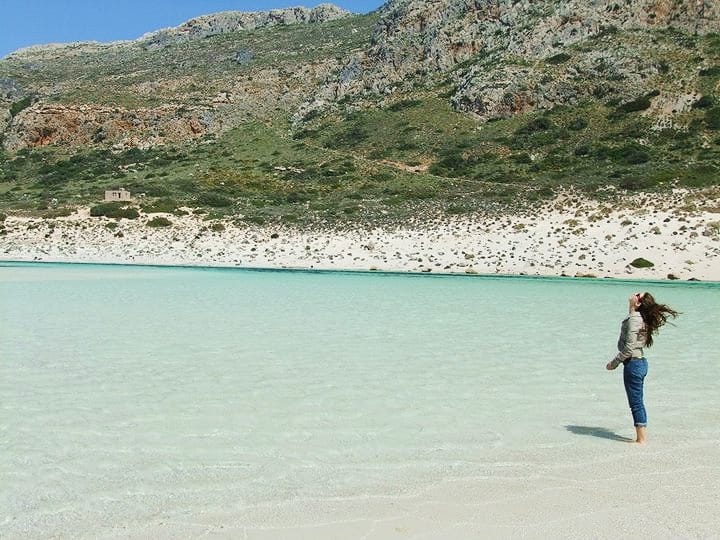
Balos, Crete

Grand Canyon National Park

Upstate New York


And if you’re a grinch who doesn’t care about the health of the planet or the animals on it, research has shown climate change has detrimental effects on humans, too. Higher temperatures, worsening air pollution, and more severe weather will all contribute to increased morbidity and mortality globally. 

Plateau Point, Grand Canyon National Park


So if you already cared about the planet (high five!), or you decided you care now that these sobering facts have scared you, read on for some lifestyle modifications anyone can try to reduce their impact on the planet.

Go vegetarian (or vegetarian-ish.) Believe it or not, this is one of the biggest and most important things you can do for the planet. Loss of unfarmed natural lands to farming is one of the leading causes of extinction, and because over 80% of farmland is used to keep livestock, which then produces 60% of agriculturally-generated greenhouse gas, cutting your meat and dairy consumption, even by 1 or 2 times a week, can have a huge positive effect on the planet.

Stop shopping. Or at least, cut back a bit. We have all been trained by media, the internet, and pretty much all the brands we rely on daily, to buy, buy, and then buy some more. Whether it’s upgrading your iPhone every time a new one comes out, switching cars every 1-2 years, or buying that cute new skirt because it keeps popping up on your Facebook feed, companies everywhere encourage us to go for the newest, the latest, the most cutting edge- when really, shopping our own closet or holding on to that smart phone a few more years will work just as well, save us some money and reduce our impact on the planet. Definitely something to think about.  

Support organizations trying to make a difference, if you can. There are many, many good programs out there working hard to protect the remaining wild places on the planet and hopefully slow climate change. This is not an exhaustive list- but a few organizations I like and have donated to in the past include The Rainforest Foundation, which specifically aims to protect the remaining tracts of forests across the globe, nationalparks.org and the official charitable partner of the NPS. Charitynavigator.org is a great place to go if you want to get more info on a specific charity or for top 10 lists for charities in different areas. Lastly, its always nice to support local groups if you can- I grew going to a nature center in our town that helped fuel my lifelong love of animals, is a place I always try to visit when I’m in town and donate to when I can.

Learn Something. Many of us have more free time on our hands than ever before. Instead of watching The Office re-runs (also a stellar choice, don't get me wrong!), tonight consider putting on a nature-focused documentary. Planet Earth has some absolutely stunning cinematography, and Chasing Coral on Netflix will open your eyes to how bad things have gotten for our ocean's reefs. There's so many great films out there that have a great story and can teach you a few things :)

Stay home. This virus has caused so, so much devastation, so I hope it doesn’t sound flippant to bring up the fact that staying home has had a positive impact on gas emissions and the planet. And when it is safe to move more, travel more and get outside, choosing vacations that are closer to home and limiting air travel really is a great way to reduce your impact on the planet.

There you go! Usually when I am making a list like this, I include a lot more on cutting back on single use items. Unfortunately, one of the downsides of the Covid-19 pandemic is that in certain situations, single use items may be safer- we just don’t know yet. As time rolls on, hopefully we can be more careful and selective about what stays single-use and where we can go back to reusable items. But for now, we are just following local guidelines in this area. 

Lastly, this is a really, really weird time right now. If any new changes in your habits or lifestyle sound overwhelming right now, if you don't have the financial means to donate to charities, or if you don't have the brain space to handle worrying about anything else, that is totally ok too. The most important thing right now is keeping ourselves afloat and safe, physically and mentally. 

What do you do to lessen your impact on the planet? Would love to hear more in the comments section :)

Stay safe out there,