Happy Earth Day

Wednesday, April 22, 2020


Hi!

Pacific Coast Highway, somewhere near Jedediah Smith State Park

Like seemingly everyone on the planet, our lives have been turned upside-down by an invisible enemy. Thankfully, myself and my loved ones are all safe, healthy and still employed. But I’d be lying if I said this experience wasn’t throwing us for quite the loop. I hope you all are doing ok during this truly crazy time.

Anyway, Instagram was kind enough to remind me that it’s Earth Day. It’s so fun, this tradition of arbitrarily assigning a day of the year to celebrate something. Kind of a weird tradition, right? I guess as long these random days include ones associated with getting a free donut, I have no complaints.

El Chalten, Argentina 


And to be fair, Earth Day is a pretty important one. Now more than ever, we need to think long and hard about how our daily behaviors impact the planet and other people living on it with us. The impulse buy of a cheaply made blouse that gets tossed or donated a few months later, the food we throw out because we forgot about it in the fridge for too long, or the gas-guzzling SUV you purchased for the great horsepower (is that why people buy these cars? What is a horsepower? Can you tell I know close to nothing about this subject?) – all these things have downstream effects - on the planet, on people more vulnerable than ourselves, and of course on everyone’s future.


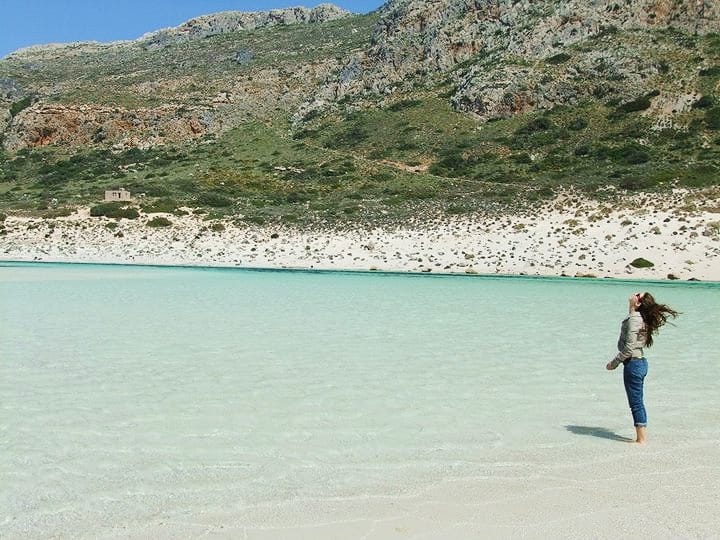
Balos, Crete

Grand Canyon National Park

Upstate New York


And if you’re a grinch who doesn’t care about the health of the planet or the animals on it, research has shown climate change has detrimental effects on humans, too. Higher temperatures, worsening air pollution, and more severe weather will all contribute to increased morbidity and mortality globally. 

Plateau Point, Grand Canyon National Park


So if you already cared about the planet (high five!), or you decided you care now that these sobering facts have scared you, read on for some lifestyle modifications anyone can try to reduce their impact on the planet.

Go vegetarian (or vegetarian-ish.) Believe it or not, this is one of the biggest and most important things you can do for the planet. Loss of unfarmed natural lands to farming is one of the leading causes of extinction, and because over 80% of farmland is used to keep livestock, which then produces 60% of agriculturally-generated greenhouse gas, cutting your meat and dairy consumption, even by 1 or 2 times a week, can have a huge positive effect on the planet.

Stop shopping. Or at least, cut back a bit. We have all been trained by media, the internet, and pretty much all the brands we rely on daily, to buy, buy, and then buy some more. Whether it’s upgrading your iPhone every time a new one comes out, switching cars every 1-2 years, or buying that cute new skirt because it keeps popping up on your Facebook feed, companies everywhere encourage us to go for the newest, the latest, the most cutting edge- when really, shopping our own closet or holding on to that smart phone a few more years will work just as well, save us some money and reduce our impact on the planet. Definitely something to think about.  

Support organizations trying to make a difference, if you can. There are many, many good programs out there working hard to protect the remaining wild places on the planet and hopefully slow climate change. This is not an exhaustive list- but a few organizations I like and have donated to in the past include The Rainforest Foundation, which specifically aims to protect the remaining tracts of forests across the globe, nationalparks.org and the official charitable partner of the NPS. Charitynavigator.org is a great place to go if you want to get more info on a specific charity or for top 10 lists for charities in different areas. Lastly, its always nice to support local groups if you can- I grew going to a nature center in our town that helped fuel my lifelong love of animals, is a place I always try to visit when I’m in town and donate to when I can.

Learn Something. Many of us have more free time on our hands than ever before. Instead of watching The Office re-runs (also a stellar choice, don't get me wrong!), tonight consider putting on a nature-focused documentary. Planet Earth has some absolutely stunning cinematography, and Chasing Coral on Netflix will open your eyes to how bad things have gotten for our ocean's reefs. There's so many great films out there that have a great story and can teach you a few things :)

Stay home. This virus has caused so, so much devastation, so I hope it doesn’t sound flippant to bring up the fact that staying home has had a positive impact on gas emissions and the planet. And when it is safe to move more, travel more and get outside, choosing vacations that are closer to home and limiting air travel really is a great way to reduce your impact on the planet.

There you go! Usually when I am making a list like this, I include a lot more on cutting back on single use items. Unfortunately, one of the downsides of the Covid-19 pandemic is that in certain situations, single use items may be safer- we just don’t know yet. As time rolls on, hopefully we can be more careful and selective about what stays single-use and where we can go back to reusable items. But for now, we are just following local guidelines in this area. 

Lastly, this is a really, really weird time right now. If any new changes in your habits or lifestyle sound overwhelming right now, if you don't have the financial means to donate to charities, or if you don't have the brain space to handle worrying about anything else, that is totally ok too. The most important thing right now is keeping ourselves afloat and safe, physically and mentally. 

What do you do to lessen your impact on the planet? Would love to hear more in the comments section :)

Stay safe out there,

Libassa Ecolodge

Tuesday, March 31, 2020


It still feels so weird to be writing from home...this weekend I was supposed to be flying out of Liberia to Accra in Ghana (for visa reasons), and Peter had booked this crazy flight itinerary just to see me for 3 days. Instead we've been together, in Boston, for the past 2 weeks, and ironically while his job has thrown him into a deep dive of Covid-19 data to help with the response, I am currently on backup at home until late next week. It especially feels weird knowing I have friends being pulled to the front lines of this...an outpatient GP working as a hospitalist for the first time in over a year, an undergraduate pre-med friend in psychiatry deployed by the military to work a field hospital in Manhattan. I am sure my time will come too, but have to admit there's a little guilt knowing so many friends and colleagues are risking their lives daily while I am home safe. That being said, I am sure my turn will come.

Since I am waiting on my next batch of data to enter for Liberia, I thought I'd share these photos from Libassa Ecolodge. It's this really amazing place a short drive from Robertsfield Airport. Think a cozy, laidback beach resort that is working towards becoming zero-waste. That is truly an amazing accomplishment in a place like Liberia, where there can be many barriers towards sustainable practices.


We arrived late on a Friday night to discover we were one of only 2 couples there. Due to a gasoline shortage, most people had canceled their trip...definitely not great for business/Liberia at large, but we admittedly loved having the whole place to ourselves to explore. And there is a lot to explore...apart from the beach there is a multi-level pool deck with a lazy river, a great bar and restaurant, a lagoon with kayaks for rent and even an animal sanctuary.

The efforts they have made to reduce their impact on the environment really are impressive. Room electricity is limited to 200 watts each, with solar-power lighting for exterior areas. For every tree taken down to build the lodge, another tree was planted. They aren't plastic free (I think this would be quite difficult to manage, but a solid future goal) but minimize use of plastics and recycle both plastics and paper as much as possible. They also use well water as much as possible for cooking, and compost food waste when appropriate.


You can probably tell from the photos how secluded and quiet the place was the weekend we went...it is usually a pretty popular day trip from Monrovia. We really enjoyed having the place to ourselves. 


The pool deck is broken into 3 levels connected by stairs and a waterfall. This is the largest pool. Peter loves to actually swim so this was his favorite spot. I don't know if it's an English thing but he had never come across a shallow lounge pool until we stayed at the Palazzo in Vegas on our cross-country road trip. He actually tried to swim laps in it, which was kind of amazing 😂 Unfortunate for him, it didn't work out...


This is the lagoon side, where you can rent kayaks, lounge and swim. There is also a bar on this end and you can have lunch overlooking the lagoon. We only took a short kayak trip (lazy as hell + strong currents = bad combo) but loved seeing tropical birds and some monkeys swinging in the trees.


They had the most amazing all natural smoothies...this one was pineapple. Still miss enjoying a Savanna cider on a hot day at the beach. 


The shared deck of our palaver hut. I didn't take any photos inside because we are messy humans and the room was a disaster from the moment we dropped our stuff off. But the space was clean, cozy, and well designed. Water was heated by the sun so you could take a warm shower by 5-6 pm (to be honest a cold shower probably feels amazing during the dry season- it gets so hot!) There was no AC but we were pretty comfortable with the fan on overnight. Because of the 200 watt limit, the room was on the darker side, which helps keep things cool during the intense dry season.


We stayed in a Palaver hut, a traditional house built with local materials. There are also larger spaces available directly looking over the ocean and lagoon.


I *think* the LED lights are low watt? Made for some fun lighting. We came here to watch the sunsets. The first photo on this posts shows what a beautiful view you get.


So tan. So happy :) This was our first weekend together in over a month. I am really, really really thankful that Peter got to see how beautiful Liberia is before this Covid-19 outbreak. We had so many plans for his next trip, from exploring Mount Nimba to Robertsport to visiting the National Park, but all of that is up in the air now. Obviously there are way more important challenges in life right now. But I am glad we got to make some fun memories together here.


One more pic of this dress since it's pretty much my favorite :) from Nani Pani (linked. Not sponsored.)


One of the coolest things about Libassa is their animal sanctuary. Unlike some of the organizations highlighted in Tiger King (looking at you, 'Doc' Antle...ugh), this one was founded purely as a place for exotic animals originally bought as pets to either be rehabilitated for the wild or live as comfortably as possible in a more natural environment. We got to see monkeys, a crocodile, and even pangolins (which are native to Liberia) before Covid-19 brought them to the international spotlight.


While they try to release as many animals back into the wild as possible, some animals, like this juvenile monkey, won't survive in their natural environment as they've never been exposed to anything besides an unnatural human habitat. They will likely spend most of their lives here. :(


I think that's a wrap! FYI I was not sponsored to write this post. My blog does not have that kind of readership, haha (insert self-deprecating joke here 😋) We had a great time, and I was totally impressed with the Libassa Ecolodge model for sustainability and efforts to have a neutral to positive impact on the local community and environment. You can find more information here on their website.

I have to say, we've been lucky enough to visit a lot of truly beautiful, tropical places, from where I grew up in Florida to where we met in Greece (Crete, Santorini, I'm looking at you!) to the absolutely stunning and tropical Hawaii, but this was easily one of the most beautiful, peaceful, relaxing weekends we have had in a long time. If you are ever in Liberia, I highly recommend a visit. Be prepared to pay with cash as they are pretty remote, and credit card machines only work intermittently. Also bring plenty of bug spray! Mosquito nets are provided in each room.

Hope you enjoyed! Stay safe and healthy, folks.

Look for the Helpers.

Tuesday, March 24, 2020


Well I’ve been home a week today, and besides sleeping very well at night, I’m feeling sort of useless. As of right now I’m not needed back until next week, and until our new data collection system is up and running, there won’t be much I can do remotely to help my colleagues overseas. While I’m insanely thankful to be home, with my husband, who still has his job and brings me oat milk lattes every morning (the real MVP,) as someone with an medical degree I’m feeling pretty restless right now, wanting to help out but not sure where to go from here.

So I decided to come up with a short list of ways to help from home during this pandemic. I’m sure this list isn’t exhaustive, and it certainly isn’t much of a contribution compared to those on the frontlines of this crisis (not just nurses and doctors, but those keeping the grocery stores stocked, delivering much-needed supplies, running tests, organizing response logistics…the list goes on…) I’m pretty sure its better than binge-watching the rest of Mad Men on Netflix.

Stay home. This cannot be emphasized enough. And I think most people get it. We’re starting to sound like broken records at this point. But to the Evangeline Lilys of the world, who think this is some thinly veiled mechanism to slowly redact our freedoms…just stop. If you care more about your freedom than the life of your immuno-compromised friend, your elderly parent, the physicians, nurses and other health workers who risk their lives for us every day…. Then I don’t think there’s anything anyone can say to make you listen. But if those people matter even one iota to you, please stay home.

 Donate your masks and protective equipment. Hospitals in New York, Boston, and pretty much anywhere with a lot of Covid-19 cases are running critically low on masks and other personal protective equipment. Currently at my job we are being rationed one mask per shift, and other hospitals only have enough for one mask per week per health worker. Please help us help you, and donate any unused masks or protective equipment you may have to the nearest hospital.

Donate to support others in need. Global crises always have a way of disproportionately harming society’s most vulnerable groups. School closures and job disruptions have left even more people than usual going hungry both in the United States and Globally. Food banks can help safely deliver needed supplies to those who are most in need (check out feedingamerica.org to see how you can help,) and WHO provides much-needed supplies and support to Covid-19 responses in low-income countries. Check out the Covid-19 Solidarity Response Fund for more details.

Shop small. It’s probably no surprise to anyone that small businesses are suffering. If your budget allows, ordering a gift card, or having food delivered from your favorite local restaurant, can help keep places going while their business has otherwise screeched to a halt. Don’t forget to tip well; those in the service industry have just lost the majority of their income (maybe a sign that the tipping culture in the U.S. is an epic fail, and we need to pay everyone a fair wage? What a novel idea…) If you know any artists, makers or musicians, consider ordering from their online shop if they have one, or venmoing a few bucks in exchange for a virtual serenade (I did this with @Castroviolin who plays beautifully in both famous halls and the NYC subway and it was lovely.)

Show your kind side. It sounds dumb but I really do believe our attitudes and behavior can impact others in small and meaningful ways. Thank the grocery store workers who are showing up to make sure you can buy food and toilet paper for the week. Facetime with a friend you haven’t seen in a while, and check up on family members who may live alone and feel especially isolated and vulnerable right now. If you’re able, Venmo a few dollars to friends or family in the healthcare workforce to get themselves a coffee or a snack during this stressful time. And make sure you’re being kind to yourself- eat well, drink plenty of water, exercise indoors if you can, and allow yourself the space to process this crazy new world we live in however helps you best. Just be sure to reach out to loved ones or a trusted mental health provider if you feel like its getting to be too much.

Thoughts? Any other ideas about how to help during these strange times? Let me know!

Stay safe and healthy,

Staying Warm in Winter

Sunday, March 22, 2020

Boston after an insane snowstorm, 2016


So my sister, who constitutes 33% of my readership (pretty sure the other 66% is my Mom and Dad) matched at her number one choice for pediatrics in New England! I imagine she is one of many soon to be doctors who will be living up North for the first time. Speaking from personal experience, the transition isn’t easy, especially if you come from somewhere where the worst of winter is around 40 degrees Fahrenheit. That being said, I’d like to think after 5 years in the Northeast I am doing ok. After all, I haven’t lost any fingers or toes to frostbite, lol. So when my Mom asked me to help my sister get some winter gear, I was happy to help (and post it on the internet in the name of oversharing.) Below are a handful of things I’ve found either essential or super helpful to live in a place where it’s pretty cold for more than half of the year. None of this content is sponsored because my readership is wicked small. Lolz.

[Sidebar: I also want to acknowledge that I’m writing this from a place of complete and total privilege in the midst of a pandemic that is having devastating on so many. As a healthcare worker I understand the gravity of this outbreak, especially on those who don’t have the privilege or resources that I have as a white person with a stable income, shelter and other resources. For now, writing is one of the ways I stay calm and remove myself from the constant flow of news and media. There’s a lot of information on coronavirus available on blogs and social media, both good and bad, so for the time being, I am personally choosing not to produce more content besides sharing WHO and CDC-based information. At some point this week I may post about ways to help, but for now, distracting content it is.]

Me getting way too excited at how warm my first down coat was, 2015

Invest in a super warm coat. I used to think this meant a cute wool peacoat. I quickly learned during interview season how wrong I was about this. I settled for an plain down coat (link here) with excellent reviews from Patagonia and have never loved an unattractive item of clothing so much in my life. This thing is amazing. It keeps you warm and dry during long snowy winters, is sustainably made, and has lasted beautifully for 5 years. The best part about it? Patagonia will repair any damage at their stores for free. Amazing. 10/10. [Sidebar: you can get a slightly more attractive and much more expensive coat from Canada Goose. I’ve heard great things but preferred Patagonia’s business model and also not spending hundreds of dollars more for a label.]

Layer, layer, then layer some more. My first month of residency I spent 90% of my night float shivering, either curled up in a creaky twin bed in the intern call room or while wandering the floors and ER seeing patients. Hospital-issued scrubs are flimsy (and hospitals are super cold!) By August I had started wearing leggings underneath my scrubs, and I pretty much never stopped. Now I rarely wear jeans in the winter without leggings and an under shirt, and never go to work without leggings on, even in at the peak of summer. And that’s just the beginning! Use multiple layers with a nice long sleeve shirt or sweater over the top. Turtlenecks will become your new best friend. (Also worth noting: everyone and their Mom who works at a hospital wear Patagonia fleeces with their hospital name inscribed on them. Many residency programs give them out as gifts which is awesome, and I live in mine at work.) This post has links to some great gear to help stay warm using layers. I don't own any smart wool (my leggings and undershirts are from Pact with a few old pieces from target) but I bet its worth the money.

Our toes living their best life in Patagonia, Argentina


Keep your toes cozy. It would not be an exaggeration to say that apart from when I shower I basically live in socks during the winter. And not all socks are created equal. Thick wool socks will keep toes dry and cozy and last a lot longer than cheaply made socks sold at the nearest department store. I even have a few pairs of moisture wicking hiking socks from REI that I tend to use anytime I can, and of course there are plenty of sustainably made options out there as well. 

That being said, I think the hardest lesson I learned after 2 or 3 winters up North was how important good shoes are. I basically had to cross a parking lot to get to work my first few winters, so I would mostly suck it up and wade across a couple of snowbanks in my nice-ish leather boots or sneakers. While it didn’t completely ruin my shoes, it definitely damaged them quite a bit and I had to replace them much sooner than if I had used proper gear. On truly snowy days, most people will wear boots like these ones to commute, and leave a pair of work shoes in their office or locker. I will say I don’t own a pair of L.L. Bean boots yet, but they pretty much have a cult following up here and I will probably be getting a pair before next winter.

Protect your vulnerable areas. It took me a while to figure out that if it’s really cold out, covering a few key areas is key to staying warm. That includes your neck, hands/wrists and head. Wool and cashmere are great options (love this beanie and Everlane also has some great options,) but it can be nice to have sturdy weather-proof gloves if you’re going to be spending a lot of time outside. We also got a box of these our first Christmas up North and I am basically obsessed with them. I don’t know the environmental impact of them (they’re single use so I have held off on buying more,) but if you are planning to spend most of your day outside, these are a great option for keeping hands and toes warm.

And that’s it! Any other Northerners out there? Comment with your favorite tricks for staying warm. And if you’re looking for some ways to keep busy when its cold out, here’s an old post I wrote about some things we did to have fun during our very first winter in the cold. Hope everyone stays safe and healthy this week.

Well, I'm Back

Thursday, March 19, 2020


I wasn’t expecting to be writing my next post from outside of Liberia, but here we are. The plans changed slowly and suddenly at the same time. That may sound strange but it’s true. First, just under 2 weeks ago, a supervisor’s visit was cut short by Covid-19. Before she left we talked about the possibility of me leaving early and what it would entail, but nothing was set in stone. Then the craziest week of my life went down (can’t go into details but I have never been more stressed out in my entire life…) All the while I felt torn in two by the decision to stay and continue my work in Liberia or go home. Even with plans on the ground getting canceled left and right, and lots of fear of the unknown, there was still so much work to be done. I had finally fallen into a good workflow, become friends with my colleagues in Liberia, and felt like I was making progress in the right direction with our research goals. Ultimately the decision wasn’t in my hands and I was recalled by my program.

And then I left. It took 2 of 3 bookings getting canceled (all made within 24 hours of each other because airlines were changing routes and canceling things left and right,) a night spent hurriedly doing as much data entry as I could before leaving, and 2 last minute visits to a tailor (priorities, right?) before I was en route to the airport, starting the long journey home.

I didn’t sleep the night before my flight. Once the decision was made my mind began to torture me with all the possibilities for things to go wrong- delays, crowds and cancelations, running out of cash (I was already short due to an emergency the week before I departed,) running a fever before boarding the plane. I donned a surgical mask for the flight, anticipating dense crowds at the airports, but Roberstfield was calm and eerily empty. I think I was part of the last wave of foreigners to leave. I had one last cassava leaf at the airport café before boarding a half-empty flight to Accra, where I waited in a quiet airport lounge before boarding the flight that would deposit me at Dulles. Most people donned masks but were feeling uncommonly jovial and friendly- perhaps relieved knowing soon they’d be home and not stranded far from family during a global pandemic.

A few people coughed on the 11 hour flight back to the U.S. I tried not to worry about it too much, but couldn’t help but notice how gaping the openings were in my ill-fitting surgical mask. I was expecting mass chaos, crowding and long waits once we arrived in Dulles, but even with my border agent pausing every 10 seconds to check with his neighbor that he was asking me the right screening questions, there was absolutely no line or delays. I missed my flight anyways but was promptly booked onto another half empty flight back to Boston. From there it was surreal how fast everything happened. Less than 2 hours later as we deplaned I almost immediately exited the terminal, nearly blowing past my husband because I had left the secure area. I thought I would cry, or laugh, or be overwhelmed with emotion, but I was to numb with surprise and shock. He took my bag, handed me my coat and we headed back home on an uncharacteristically empty Storrow drive.

I am both relieve and disappointed at the same time. Despite having some health issues in Liberia, I really was having an incredible experience. The specialists, consultants and residents and I had all gotten to known each other, I had figured out where I fit into their system, their world. Up until the week before I left, some really great projects were going to be ramped up. One of the pediatricians had taken me with her to visit waterside market, and she I had plans to make pepper sauce before I went back.

Apart from all this, I definitely feel some guilt as well. Guilt that I am home, on my couch, unpacking, with my husband only a few feet away, in a country with an ICU, with ventilators, with intensivists, and with way more capacity to handle a surge in cases of Covid-19. Guilt that my friends and colleagues are still in Liberia, facing uncertainty and a disease that has been shown to cause serious illness in healthcare workers. I still feel the decision to leave was the right one- both due to my health and because I would hate for my job to spend hundreds of thousands of dollars evacuating me in the event of a medical emergency when that money could be better spent elsewhere.

I’ve spent the last couple of days since getting home sleeping, unpacking and trying to wrap my head around Covid-19’s impact on Boston. Soon I’ll meet with my team to devise a game plan for work these next few months. Hopefully it will make me feel less helpless. In the meantime I’ll keep reading the situation reports from WHO and prepping myself mentally for whatever lies ahead the next few months. Hope everyone is staying safe and healthy these days. 

Untitled (just call it insomnia.)

Sunday, March 1, 2020


During my first year of residency, I cared for a little girl named Z*. She had been on the oncology ward for months, fighting an aggressive blood cancer that hadn’t remitted despite several courses of chemotherapy, each regiment more aggressive than the last. She was on my patient panel for most of my month of heme/onc, and during the entire time she was miserable and in incredible amounts of pain. The only things that seemed to soothe her were sips of water, leg rubs from her mother, and watching Frozen on repeat. By the time I was caring for Z, her mom had a newborn and couldn’t spend nights in the room alongside her daughter anymore. I remember spending a good chunk of my week of night float sitting quietly next to her, watching Elsa sing ‘Let it Go’ over and over and over again, while she cried and asked where her mother was.

Z passed away while I was home one night in between shifts. It was pretty fast - within a few hours of becoming unstable and being transferred to the ICU, she was gone. It was the first time I was up close to a child passing away. I had seen death before, both in medical school and in residency. But I hadn’t seen suffering- not like this, anyway- in such a young and vulnerable child. It was completely heartbreaking. Sometimes you reach a point in caring for a patient when you feel helpless- like your interventions aren’t helping, and maybe by prolonging suffering they are causing more harm to the patient than good. I felt like we had failed her- not because she died, but because she was in terrible pain during much of the end of her life, and maybe instead of fighting her cancer so aggressively, we could have done more to make the end of her life peaceful and less painful.

I didn’t know it at the time, but I was experiencing my first real bout of moral distress. It is broadly defined as a scenario when a healthcare professional feels that they know the morally correct action to take to care for the patient, but are restricted in some way from taking that action (more on the topic of moral distress can be found here, if you’re interested.)

Now all these years later, as I adjusted to working as a pediatrician in a very busy, very high-acuity unit in a low resource setting, I began thinking about this case again. Nearly every day, choices have to be made that bring back those unnerving feelings of discomfort. They don’t all revolve around death, but all revolve around struggling with knowing the right course of action, and not being able to execute it properly. The child we send home who may need a few more days of antibiotics, because there’s no more space in the unit and we need to make room for the next sick child; the infant who goes days without getting the correct antibiotic as the family scrounges together the few resources they have to pay for it; the patient we can’t put on CPAP or oxygen because the only supply available is being shared among several other patients at once. Moreover, when our ability to test and find a cause for a patient’s illness, decision making can become a lot harder (this is related to another type of moral distress related to uncertainty.)

These are challenges I was peripherally aware of during my time in U.S.; they came up rarely, as most of my patients were healthy and resource allocation is not a challenge you have to deal with often. My colleagues here have faced this every day for years. They have incredible knowledge, perseverance and compassion, but underneath the surface is a palpable frustration- a feeling of helplessness, of uncertainty of what exactly needs to be done to tackle some of the systemic challenges we face.

I started writing this in the middle of the night, during a bout of insomnia, but initially struggled to find a satisfactory conclusion, some enlightened wisdom to wrap this thing up in a neat little bow and end on a positive note. A few weeks is not enough time to unpack things, to pick apart the machinery to find the pieces that are broken, and its certainly not enough time to know how to fix them. People who have lived and worked in this environment this every day don’t have all the answers, so how on earth can a Western pediatrician with a few weeks of working here have them in such a short time? I suppose the best I can do is use this feeling of discomfort to keep trying, every day, piece by piece, to understand the fabric, the strengths and the failures of the system here, and support in whatever small ways I can. In the meantime, I suppose I’ll have to get used to this strange discomfort- after all, everyone else here has been dealing with it for years.

*name has been changed.

One day in a Liberian Pediatric ER

Thursday, February 20, 2020

I can't believe a month has gone by since I arrived in Monrovia! A month feels like a long time and no time at all with the pace at which things happen here. On the one hand, things move slowly...getting anything done (even something as simple as a blood pressure, and even in an emergency situation) can feel like it takes ages. On the other hand, time flies by as the days that are packed with dozens of sick patients needing various evaluations and interventions.

I thought a month was enough time to share a bit about what my day looks like here. Because there is a residency program, a lot of aspects of the day are familiar, with a Liberian twist :) No days are exactly alike but they tend to have a general pattern, something that goes like this:

6:10 am: alarm goes off. Depending on how late I stayed up worrying about this or that sick patient, I either hop out of bed to do a quick home workout or scroll through my phone a bit. I drink a ton of water as there's no clean water to refill my nalgene bottle with at work and take my anti-malarial pill. I usually listen to a podcast or audiobook while getting dressed ready to go. Liberian doctors tend to dress pretty formally (and have great style) so unless you're on call no one wears scrubs- they will typically dress in business attire with a lot of beautifully patterned custom-made dresses and suits sewn from lappa fabric (more on that another day.) I usually wear business attire and a white coat with a small notebook, pen and the WHO blue book (basically a global health pediatric bible) in the pockets.


7:00 am: the sun has started rising just enough that its safe to walk to work (as someone who is obviously Western you can't really blend in here, and petty crimes aren't uncommon.) I usually bring my breakfast to work- a banana, coffee and peanut butter smoothie that I may have become slightly addicted to. The hospital is 15 minutes away and if the weather is nice I get to catch a beautiful sunrise through the Sahara dust that blankets the atmosphere during the dry season.

Beautiful mural at the hospital's main entrance. It depicts the history of medicine in Liberia, including the traditional healers all the way up to the present day. 

7:15 am: I arrive in the pediatric emergency room to pre-round. The room is shaped like a T- the base of the T has a a row of chairs on one side where patients who have been triaged wait to be seen, and a large desk and chairs on the the other side where the docs can sit and review charts, interview patients and document. Unless there is an active resuscitation going on (which isn't that uncommon,) I sit down here and review the charts.


The top horizontal bar of the T contains 8 patient beds (there's also two doors to the left- one leading to the outpatient department, one to another room for patients who will have shorter admissions.) These are the sickest and/or newest patients. After reviewing the vitals, notes, diagnosis and medications served, my goal is to examine all of these kiddos before 8 am. Because of the aforementioned codes/high acuity (new sick patients arrive all the time, or I may get caught up addressing a patient who is getting worse right in front of me), this doesn't happen as much as I'd like. You just kind of have to take things as they come here.

8:00 am: morning meeting occurs on the wards in the main hospital, meaning I am usually dashing upstairs at 7:55 am to grab my white coat and make it in time (some things never change; I will forever be afraid of lateness, even when it isn't uncommon here.) Similar to the U.S. system, the overnight team presents all admissions from the last 24 hours, as well as any deaths. The consultants (attendings) and specialists (board eligible pediatricians in the process of becoming attendings) will comment and highlight teaching points on various cases. The West African medical teaching and lecture style is pretty formal compared to American training, but I try to weigh in occasionally if I feel I have a useful or unique perspective to add. Residents and attendings can also share announcements, concerns and issues at the end of morning meeting so they can be discussed in an open forum where everyone can have their say.

9:30 am (ish): this is where the day becomes more fluid. After morning meeting I head back to the peds ER for rounds. Depending on the specialists, rounds can either involve significant teaching, be rapid fire/brief, or not happen at all if the ER is very chaotic with a large volume of patients to see. We usually have several medical students, an intern and 1-2 residents around to present each patient, discuss the current medications and plan, and decide what the next steps in care are.

Something that's been a fascinating adjustment for me is patient ownership. In the U.S., as a resident I'd arrive on the wards each morning with a neat list of 5-10 patients I was primarily responsible for that day. Here, every patient is under the care of all of us as a team; the resident presenting the patient is arbitrarily chosen and the third year, specialist and consultant all agree on the plan together (though the most senior person has the final say.) Its been a fascinating deviation from what I am used to that is a better fit for the Liberian culture and practice style.

We see a lot of very sick patients; birth asphyxia (when the baby is deprived of oxygen and comes out critically ill with neurologic damage,) sepsis and other infections, and severe malnutrition are incredibly common and come with very high mortality rate.

One factor we consider in decision-making that I didn't expect was the cost to families; apart from a limited selection of medicines, everything we choose to do costs money. From a CBC to an x-ray, to selection of the correct antibiotic, parents have to scrounge up what little money they have to buy sometimes life-saving treatments for their kids. For a parent who makes only a dollar a day, even spending five dollars on a lab test or medication can be close to impossible.

Noon- 2 pm (ish): after rounds I tend to stick around for a bit to see how I can help without impeding work flow. This could mean I am writing in the chart, following up on a blood pressure or discussing a complex case a bit further with the residents and specialists. Eventually I make my way upstairs to work on research, helping the residents gain uptodate access, and looking up papers and articles on various interesting cases we've had to share with the team.

2 pm- 5 pm (ish): Depending on the day, there's loads of things going on during this time. Like any residency program, various lectures are given, either by the residents or by a local or visiting consultant or specialist. There are also various official exams at any given time of year; currently the first years are preparing for their exams (something between a Step 1 and Step 2-type of test) and we meeting regularly to review topics and go over questions. I also spend time with our research nurse entering data, tracking down missing information and troubleshooting whatever issues may be arising in the ongoing research work on a given week.

While the clinical work is a great learning experience for me, I find my work in the afternoon to be more rewarding; because of resource limitations there's not a whole lot I can do to improve outcomes on the level of individual patients. It can be incredibly emotionally draining to see your third newborn in 24 hours die from the same preventable illness (true story. More on that later.) But with collaborative research, and with actionable, big-picture policy changes, slowly over over time you can start to enact meaningful changes, and hopefully over time see improved outcomes.

5 pm-6 pm (ish): I check in with the peds ER 1 last time before heading home. If things are quiet, this could just be hanging out with the specialist, or reviewing patients of concern (watchers) with the overnight resident team to come up with contingency plans. Its not unusual for an actively crashing patient to be rushed in though, requiring resuscitation of some kind. These cases are the hardest because if I don't leave before dark it isn't safe to walk home, and because of recent gas shortages its not always easy to find a cab to drive you. So much of this job causes scenarios like this, of moral discomfort. I can't say that leaving feels like the right thing to do, but I can't help anyone if something bad happens to me. There's way more to unpack there than I feel up to sharing at the moment, but it is definitely an uncomfortable conundrum I encounter pretty regularly, so it would feel odd not to at least acknowledge it.

My favorite fruit stand...its bananas how good the bananas here are (pun intended)


6 pm: If I don't stop at the supermarket or fruit stand by the hospital to grab more bananas, I arrive home, usually covered in sweat. I tend to immediately throw on my swimsuit and jump in the pool to cool off if I have time. Taking a couple minutes to swim some easy laps and unpack what I've seen/heard/felt throughout the day helps me to transition from the "everything is on fire and everyone is sick" mode into a more relaxed and reflective state. I tend to cook something easy and quick, maybe watch 20 minutes of a show while having dinner, then read on a few topics I jotted down throughout the day or get some research work done, depending on what's on my to-do list.

9 -9:30 pm: wind-down time before bed. One thing I really appreciate here is a consistent schedule; not working evening and overnight shifts like I do in the U.S. is one of the nicer luxuries of my time over here. The overnight team can call me any time but usually don't unless there's something they feel I can specifically help them with. I usually read a novel, listen to a podcast, watch something or whatsapp call family before going to bed around 10 pm.

And that's a typical day as a clinical pediatric fellow in an urban Liberian referral hospital! In the future I may share more of the specific types of cases we see, or how the health system works, and hopefully introduce some of the incredible doctors I have been working with, but for now I just wanted to share what happens on a day-to-day basis. Hope its interesting to someone :) Feel free to share any particular questions or thoughts in the comments. PS- You can also follow along on instagram if to see more of the day to day things, if you are curious.